

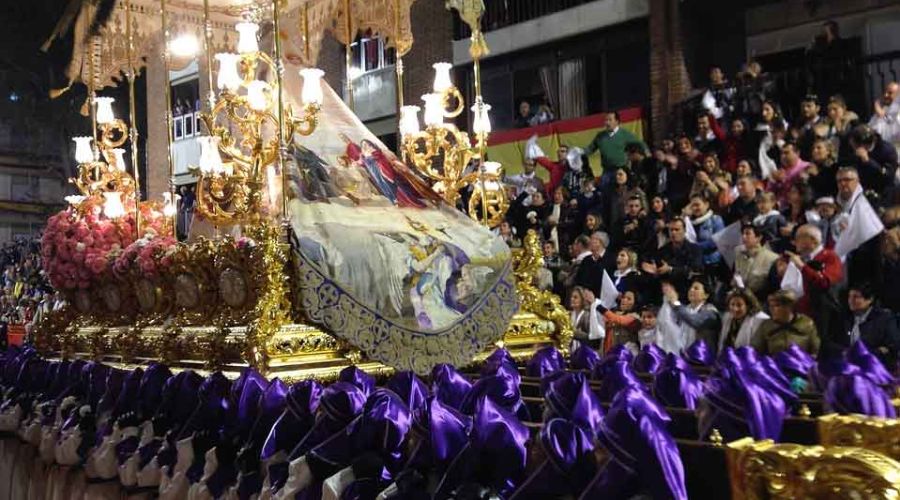
Semana Santa 2026 is one of the most important religious and cultural observances of the year, marked with deep devotion, rich traditions, and widespread community participation. Celebrated annually by Christians around the world, this Holy Week holds special significance as believers reflect on the Passion, death, and resurrection of Jesus Christ. For many people, Semana Santa 2026 is also a meaningful period for family gatherings, travel, and cultural engagement.
Whether you’re planning to participate in liturgical ceremonies, witness traditional processions, or simply learn more about this historic observance, this guide covers everything you need to know about Semana Santa 2026—from the exact dates and religious meaning to popular customs and frequently asked questions.
What Is Semana Santa?
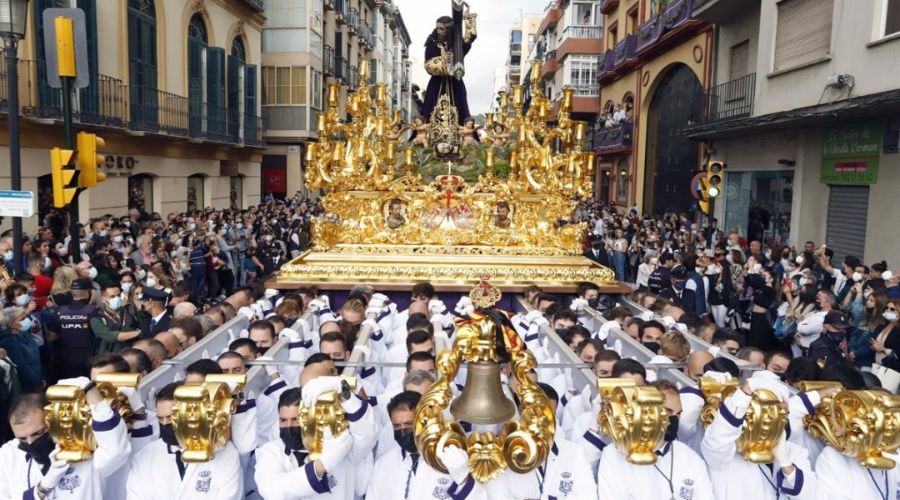
Semana Santa—Spanish for Holy Week—is the week in the Christian calendar that leads up to Easter Sunday. It commemorates the final days of Jesus Christ’s earthly life:
- His entry into Jerusalem
- The Last Supper
- His crucifixion
- His resurrection
The observance begins on Palm Sunday and culminates on Easter Sunday. Because it is tied to the ecclesiastical calendar, Semana Santa 2026 doesn’t have fixed dates like Christmas but instead depends on the timing of the Paschal Full Moon.
When Is Semana Santa 2026?
Here are the official Semana Santa 2026 dates:
- Palm Sunday: Sunday, March 29, 2026
- Holy Monday: Monday, March 30, 2026
- Holy Tuesday: Tuesday, March 31, 2026
- Holy Wednesday: Wednesday, April 1, 2026
- Maundy (Holy) Thursday: Thursday, April 2, 2026
- Good Friday: Friday, April 3, 2026
- Holy Saturday: Saturday, April 4, 2026
- Easter Sunday: Sunday, April 5, 2026
These dates organize the spiritual and cultural rhythm of Semana Santa 2026, guiding churches, communities, and families through a week of reflection and observance.
Religious Significance of Semana Santa 2026
The core focus of Semana Santa 2026 is the Passion of Christ—His suffering, death, and triumphant resurrection. Each day during the week carries specific meanings and themes:
Palm Sunday
This day commemorates Jesus’ triumphant entry into Jerusalem, when crowds welcomed Him with palm branches. It marks the beginning of Semana Santa 2026 and sets the tone for the week of reflection.
Holy Monday to Holy Wednesday
These days focus on Jesus’ teachings and the events leading up to His arrest. While less ceremonially intense than later days, they encourage prayer and contemplation.
Maundy Thursday
Also known as Holy Thursday, this day commemorates the Last Supper Jesus shared with His disciples. It highlights themes of service, humility, and communion.
Good Friday
One of the most solemn days of Semana Santa 2026, Good Friday memorializes the crucifixion of Jesus. Worship services often center on the Stations of the Cross and remembrance of Jesus’ sacrifice.
Holy Saturday
This is a day of quiet reflection and waiting, as communities prepare for the celebration of the Resurrection.
Easter Sunday
Easter Sunday celebrates the resurrection of Jesus Christ—bringing the themes of hope, renewal, and victory over death to the heart of Semana Santa 2026.
Common Traditions During Semana Santa 2026
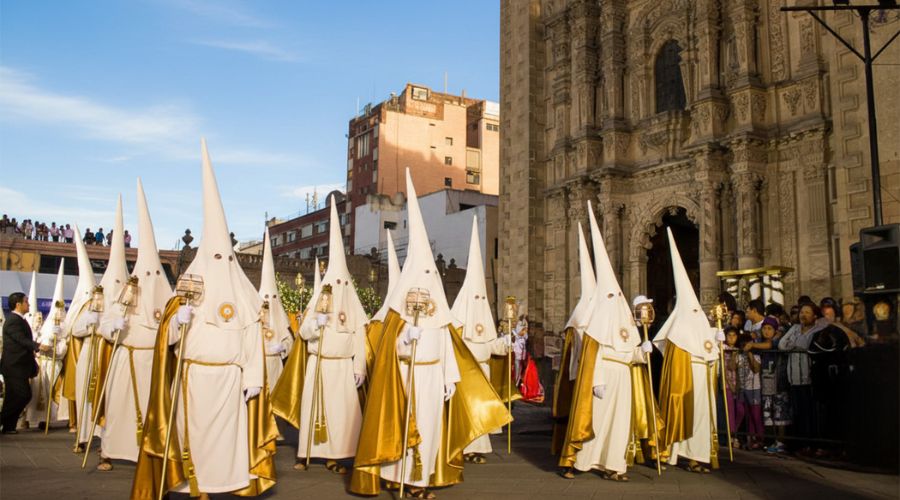
Semana Santa 2026 is observed with a variety of customs and rituals that vary by region but share common meanings.
Religious Processions
Processions are among the most visible traditions during Semana Santa 2026. Participants carry religious images, icons, and symbolic items through streets in solemn parades, often with music, candles, and prayer.
Passion Plays and Reenactments
Many communities stage reenactments of the Passion of Christ. These dramatic presentations bring biblical events to life and invite participants to engage emotionally with the story of Holy Week.
Church Services and Liturgies
Churches around the world hold special services throughout the week, including:
- Masses on Palm Sunday and Holy Thursday
- Veneration of the Cross on Good Friday
- Vigil services on Holy Saturday
- Festive Easter Sunday worship
These services deepen the spiritual experience of Semana Santa 2026.
Fasting and Abstinence
In many Christian traditions, particularly on Good Friday, individuals observe fasting and abstinence as acts of penance and solidarity with Christ’s suffering.
Cultural Importance of Semana Santa 2026
While Semana Santa 2026 has deep religious meaning, it is also a cultural cornerstone in many communities. It brings people together for reflection, celebration, music, art, and social connection. For many regions, the customs of Holy Week serve as a powerful link to history and identity.
Planning for Semana Santa 2026: What to Expect
If you plan to travel, attend services, or participate in festivities during Semana Santa 2026, here are some practical tips to consider:
Travel and Accommodation
Semana Santa is a busy travel season in many countries, as families and tourists take advantage of school holidays and extended weekends. Booking transportation and lodging in advance is highly recommended.
Community Events
Expect increased activity in city centers and historic districts, where processions and cultural events often take place. Public transportation, event schedules, and museum hours may change during Holy Week.
Respect Local Customs
Participating in or observing Holy Week ceremonies often involves deeply personal and sacred practices. Dress modestly, follow local etiquette, and be mindful of crowded spaces during processions and services.
Conclusion
Semana Santa 2026 is a deeply meaningful and historically rich period that invites reflection, community, and spiritual renewal. From Palm Sunday on March 29 to Easter Sunday on April 5, this Holy Week combines religious observance with cultural expression in ways that resonate with believers and observers alike.
Whether you participate in processions, attend church services, or simply learn about its traditions, Semana Santa 2026 offers insight into enduring themes of sacrifice, hope, and renewal. It remains one of the most significant times in the Christian year—and a period that invites people from all walks of life to pause, reflect, and connect with something larger than themselves.